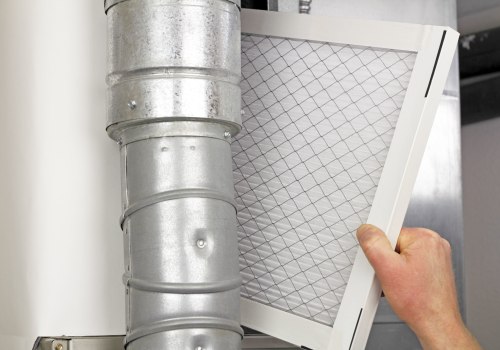
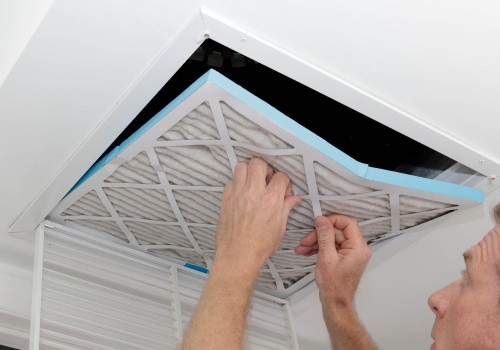
When it comes to maintaining a comfortable and healthy home environment, the significance of a furnace filter cannot be overstated. At first glance, this seemingly simple component may appear to be just another part of your heating system, but its role is far more critical than many homeowners realize. A furnace filter serves as the first line of defense against airborne contaminants, ensuring that the air circulating through your home is clean and safe to breathe. By understanding the function of a furnace filter, you can appreciate its importance in both protecting your HVAC system and enhancing indoor air quality.The primary function of a furnace filter is to trap dust, dirt, pet dander, pollen, and other particles that can accumulate in your home’s air.
As air flows through the filter, these contaminants are captured, preventing them from entering your heating system and potentially causing damage. This protective measure not only extends the lifespan of your furnace but also helps maintain its efficiency. A clean filter allows for optimal airflow, which means your system doesn’t have to work as hard to heat or cool your home. In contrast, a clogged or dirty filter can lead to increased energy consumption and higher utility bills.Moreover, the importance of furnace filters extends beyond just protecting your HVAC system; they play a vital role in improving indoor air quality.
Poor air quality can lead to various health issues, particularly for individuals with allergies or respiratory conditions. By regularly replacing your furnace filter, you can significantly reduce the number of allergens and irritants circulating in your home. This simple maintenance task can lead to a noticeable improvement in the overall comfort and health of your living space.
Why Regular Replacement is Crucial
Regularly replacing your furnace filter is not just a matter of routine maintenance; it is a critical aspect of ensuring the optimal performance of your heating system. The importance of this task cannot be overstated, as it directly impacts several key areas, including system efficiency, energy costs, and indoor air quality.System Efficiency
A clean furnace filter allows for unrestricted airflow, which is essential for the efficient operation of your heating system.
When filters become clogged with dust, pet hair, and other debris, they restrict airflow, forcing your furnace to work harder to circulate air throughout your home. This increased strain can lead to overheating and potential breakdowns, resulting in costly repairs. In fact, a dirty filter can reduce your system's efficiency by up to 15%, leading to higher energy consumption and increased wear on components.
Energy Costs
As your furnace struggles to push air through a dirty filter, it consumes more energy, which translates into higher utility bills. According to the U.
S. Department of Energy, replacing a clogged filter can lower your energy consumption by 5% to 15%. Over time, these savings can add up significantly, making regular filter replacement not only a maintenance task but also a smart financial decision.
Indoor Air Quality
The quality of the air you breathe in your home is heavily influenced by the condition of your furnace filter. A dirty filter fails to trap allergens such as dust mites, pollen, and pet dander effectively.
This can lead to poor indoor air quality, exacerbating respiratory issues for individuals with allergies or asthma. By replacing your filter regularly, you help ensure that your home remains a safe and healthy environment for you and your family.
Consequences of Neglecting Filter Replacement
- Increased Allergens: A dirty filter allows allergens to circulate freely in your home.
- Higher Energy Bills: As mentioned earlier, neglecting this simple task can lead to significant increases in energy costs.
- System Damage: Over time, the added strain on your furnace can lead to premature failure of components.
- Poor Comfort Levels: Inconsistent heating can result from inadequate airflow due to a clogged filter.
Recommended Replacement Frequency for 16x25x4 Furnace Filters
When it comes to maintaining your heating system, understanding the recommended replacement frequency for your 16x25x4 furnace filter is essential. The lifespan of a filter can vary significantly based on several factors, including its thickness, the specific conditions in your home, and the environment surrounding it.General Guidelines for Replacement
- Standard Replacement Schedule: For a standard 16x25x4 furnace filter, it is generally recommended to replace it every 2 to 3 months.
This timeframe is ideal for households with average dust levels and minimal allergens.
- Increased Frequency for Allergies: If anyone in your home suffers from allergies or respiratory issues, consider changing the filter every month. This will help reduce airborne irritants and improve overall air quality.
- Pet Owners: Households with pets may need to replace their filters more frequently, typically every 1 to 2 months. Pet dander can accumulate quickly, clogging the filter and reducing its effectiveness.
- Environmental Factors: If you live in a particularly dusty area or near construction sites, you may need to change your filter more often. In such cases, a monthly replacement schedule is advisable.
The Impact of Filter Thickness
The thickness of your furnace filter plays a significant role in determining how often it should be replaced.
A 16x25x4 furnace filter, being thicker than standard filters, has a larger surface area that can trap more particles. This means it can often last longer than thinner filters:
- 4-inch Filters: These filters can typically last up to 3 months under normal conditions but may require more frequent changes in homes with pets or allergies.
- 1-inch Filters: In contrast, thinner filters (1-inch) should be replaced every month, as they clog more quickly due to their limited surface area.
Establishing a Maintenance Routine
To ensure that you are replacing your 16x25x4 furnace filter on time, consider setting reminders on your phone or calendar. Additionally, marking the installation date on the filter itself can help you keep track of when it needs to be changed. By adhering to these guidelines and adjusting based on your specific household conditions, you can maintain optimal performance from your heating system while ensuring cleaner air quality in your home.
Choosing the Right 16x25x4 Furnace Filter
When it comes to maintaining your heating system, selecting the right 16x25x4 furnace filter is crucial.With various types of filters available, understanding their features and benefits can help you make an informed decision that suits your specific needs.
Types of 16x25x4 Furnace Filters
- Fiberglass Filters: These are the most basic type of furnace filter. They are inexpensive and designed to capture larger particles like dust and lint. However, they have a low MERV rating, typically between 1 and 4, meaning they are not very effective at trapping smaller allergens.
- Pleated Filters: Pleated filters are more efficient than fiberglass filters due to their increased surface area. They can capture smaller particles and typically have a MERV rating ranging from 5 to 13. This makes them a popular choice for homeowners looking to improve indoor air quality.
- HEPA Filters: High-Efficiency Particulate Air (HEPA) filters are designed to trap at least 99.97% of particles that are 0.3 microns or larger.
While they provide superior filtration, they may not be compatible with all HVAC systems due to their dense construction, which can restrict airflow.
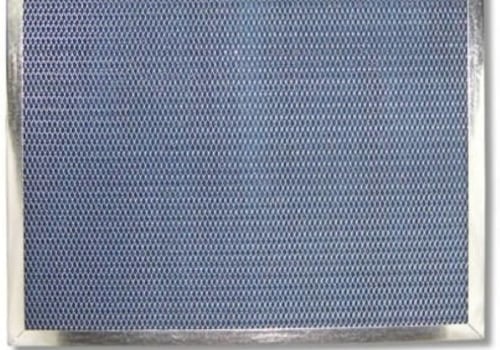
- Electrostatic Filters: These filters use static electricity to attract and capture particles. They can be washable or disposable and often have a MERV rating between 8 and 12. Their ability to trap smaller particles makes them a good option for allergy sufferers.
MERV Ratings Explained
The Minimum Efficiency Reporting Value (MERV) is a standard that rates the effectiveness of air filters based on their ability to capture particles of different sizes. The scale ranges from 1 to 16, with higher numbers indicating better filtration capabilities. Here’s a brief overview:- MERV 1-4: Basic filtration; captures large particles like dust and pollen.
- MERV 5-8: Better at trapping smaller particles; suitable for general household use.
- MERV 9-12: Good for allergy sufferers; captures pet dander, mold spores, and fine dust.
- MERV 13-16: High-efficiency filters; ideal for those with severe allergies or respiratory issues.
If you have pets or family members with allergies, opting for a filter with a higher MERV rating can significantly improve your indoor air quality. However, ensure that your HVAC system can handle the increased airflow resistance that comes with higher-rated filters.In summary, selecting the right 16x25x4 furnace filter involves understanding the types available and their respective MERV ratings. By aligning your choice with your home’s unique requirements, you can enhance both the efficiency of your heating system and the quality of the air you breathe.
Tips for Remembering to Replace Your Furnace Filter
Keeping track of when to replace your furnace filter can be a challenge, especially with the hustle and bustle of daily life. However, implementing a few practical strategies can help ensure that you never miss a replacement date.Here are some effective tips to help you remember to change your furnace filter regularly:
- Set Calendar Reminders: Utilize your smartphone or digital calendar to set recurring reminders for filter changes. Depending on the thickness of your 16x25x4 furnace filter, you might want to set reminders every 30, 60, or 90 days. This way, you’ll receive a notification that prompts you to check and replace the filter.
- Use a Filter Change App: There are several mobile applications designed specifically for tracking home maintenance tasks. These apps can send you notifications when it’s time to change your filter and even allow you to log the date of each replacement.
- Mark the Filter: When you install a new filter, write the installation date directly on the filter itself.
This simple method provides a visual reminder of when it was last changed and helps you keep track of how long it has been in use.
- Create a Maintenance Log: Keep a dedicated notebook or digital document where you record the dates of all maintenance tasks, including filter changes. This log can serve as a reference point for future replacements and help you identify any patterns in your filter usage.
- Link Changes to Regular Activities: Associate changing your furnace filter with another regular household task, such as changing smoke detector batteries or seasonal cleaning. By linking these activities together, you create a routine that makes it easier to remember.
- Visual Reminders: Place sticky notes in visible areas of your home, such as on the refrigerator or near your thermostat, reminding you to check and replace the furnace filter. These visual cues can be effective in prompting action.
- Consider Permanent Filters: If you find it difficult to remember to change filters regularly, consider investing in a permanent filter that can be cleaned instead of replaced.
While these still require maintenance, they may reduce the frequency of changes and help alleviate some of the tracking burden.
The Consequences of Neglecting Your Furnace Filter
Neglecting to replace your furnace filter can lead to a cascade of negative consequences that affect both your HVAC system and your overall health. Understanding these risks is crucial for maintaining a comfortable and safe living environment.Decreased Efficiency
One of the most immediate effects of a dirty or clogged furnace filter is decreased efficiency. When the filter becomes saturated with dust, pet hair, and other debris, it restricts airflow through the system.
This restriction forces your furnace to work harder to circulate air, leading to:
- Increased Wear and Tear: The additional strain on the furnace components can lead to premature wear, resulting in costly repairs or even complete system failure.
- Higher Energy Bills: As your furnace struggles to maintain the desired temperature, it consumes more energy, which translates into higher utility bills. In fact, studies have shown that a clogged filter can increase energy consumption by up to 15%.
Impact on Indoor Air Quality
A dirty furnace filter does not just affect the efficiency of your heating system; it also has significant implications for indoor air quality. When filters are not replaced regularly, they become less effective at trapping airborne particles. This can lead to:
- Increased Allergens: Dust mites, pollen, mold spores, and pet dander can circulate freely in your home, exacerbating allergies and respiratory issues.
- Unpleasant Odors: Accumulated dirt and debris can produce musty or stale odors that permeate your living space.
Health Risks
The health impacts of poor indoor air quality cannot be overstated.
Prolonged exposure to airborne pollutants can lead to various health issues, including:
- Respiratory Problems: Individuals with asthma or other respiratory conditions may experience worsened symptoms due to increased allergens in the air.
- Cardiovascular Issues: Studies have linked poor air quality to an increased risk of heart disease and other cardiovascular problems.
- General Discomfort: Poor air quality can lead to headaches, fatigue, and overall discomfort for all household members.
FAQs About Furnace Filters and Maintenance
When it comes to maintaining your furnace, understanding the role of the filter is crucial. Here are some frequently asked questions that can help clarify common concerns and misconceptions about furnace filters and their maintenance.What is the purpose of a furnace filter?
The primary function of a furnace filter is to trap dust, dirt, and other airborne particles before they enter your heating system. This not only protects the internal components of your furnace but also helps improve indoor air quality.A clean filter allows for better airflow, which can enhance the efficiency of your heating system.
How do I know when to replace my 16x25x4 furnace filter?
For a 16x25x4 furnace filter, it is generally recommended to replace it every 2 to 3 months. However, this can vary based on factors such as:- The number of pets in your home
- Whether anyone in your household has allergies or respiratory issues
- The level of dust and debris in your environment
Can I clean my furnace filter instead of replacing it?
While some filters are designed to be washable, most standard filters, including many 16x25x4 models, are not. Attempting to clean a disposable filter can damage it and reduce its effectiveness. If you opt for a reusable filter, ensure you follow the manufacturer's cleaning instructions to maintain its performance.What happens if I forget to change my furnace filter?
Neglecting to change your furnace filter can lead to several issues:- Reduced Efficiency: A clogged filter restricts airflow, forcing your furnace to work harder and consume more energy.
- Poor Air Quality: Dust and allergens will circulate throughout your home, potentially aggravating respiratory conditions.
- Increased Wear and Tear: Over time, the strain on your heating system can lead to costly repairs or even premature failure.
Are all furnace filters the same?
No, furnace filters come in various sizes, types, and efficiencies.The MERV rating (Minimum Efficiency Reporting Value) indicates how well a filter captures particles. Higher MERV ratings mean better filtration but may also restrict airflow if not compatible with your system. Always check your furnace's specifications before purchasing a new filter.By addressing these common questions, homeowners can make informed decisions about their furnace maintenance and ensure their heating systems operate efficiently and effectively.
Conclusion: The Importance of Regular Maintenance for Your HVAC System
In summary, the significance of regularly replacing your 16x25x4 furnace filter cannot be overstated. This seemingly minor task plays a pivotal role in ensuring the optimal performance of your HVAC system and maintaining a healthy indoor environment.Throughout this article, we have explored various aspects of furnace filter maintenance, emphasizing its impact on both efficiency and air quality.First and foremost, a clean filter is essential for the efficient operation of your heating and cooling system. When you neglect to replace your filter, it becomes clogged with dust, pet dander, and other airborne particles. This blockage restricts airflow, forcing your furnace to work harder to circulate air throughout your home. As a result, you may experience increased energy bills and a shortened lifespan for your HVAC system.Moreover, the quality of the air you breathe is directly linked to the condition of your furnace filter.
A dirty filter allows allergens and pollutants to circulate freely in your home, potentially exacerbating respiratory issues for family members with allergies or asthma. By regularly replacing your 16x25x4 furnace filter, you can significantly reduce these harmful particles, creating a healthier living environment.Additionally, understanding the specific needs of your HVAC system is crucial. Different filters have varying lifespans and efficiencies based on their thickness and material. For instance, while a standard one-inch filter may need monthly replacements, a thicker four-inch filter can last longer but still requires regular checks to ensure it is not clogged.To maintain an effective schedule for changing your filter, consider implementing reminders or tracking systems that work best for you.
Whether it’s setting calendar alerts or marking the installation date on the filter itself, staying proactive about this maintenance task will pay off in the long run.In conclusion, prioritizing the replacement of your 16x25x4 furnace filter is an essential part of responsible HVAC maintenance. By doing so, you not only enhance the efficiency and longevity of your heating system but also contribute to better indoor air quality for you and your loved ones. Make it a habit to check and replace your filters regularly; your home—and health—will thank you.